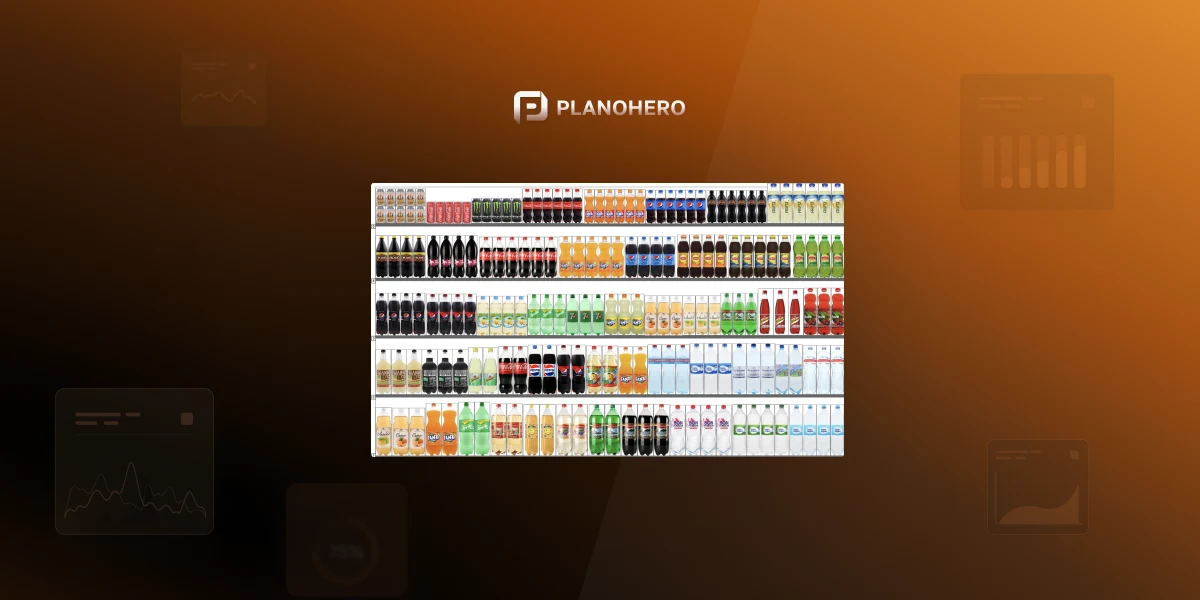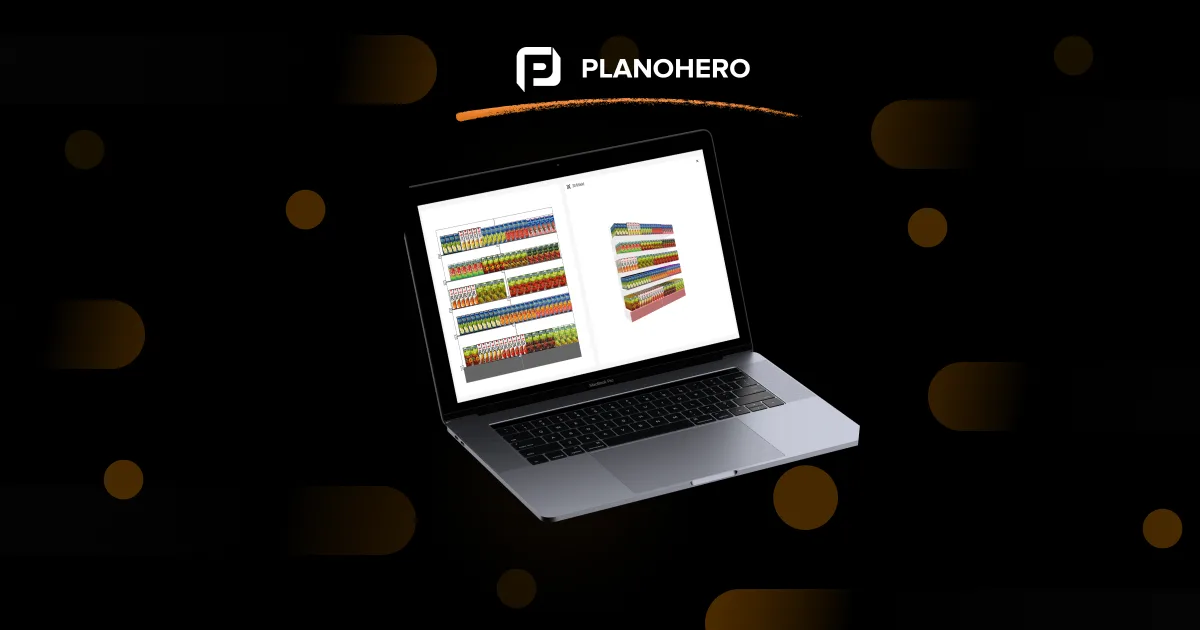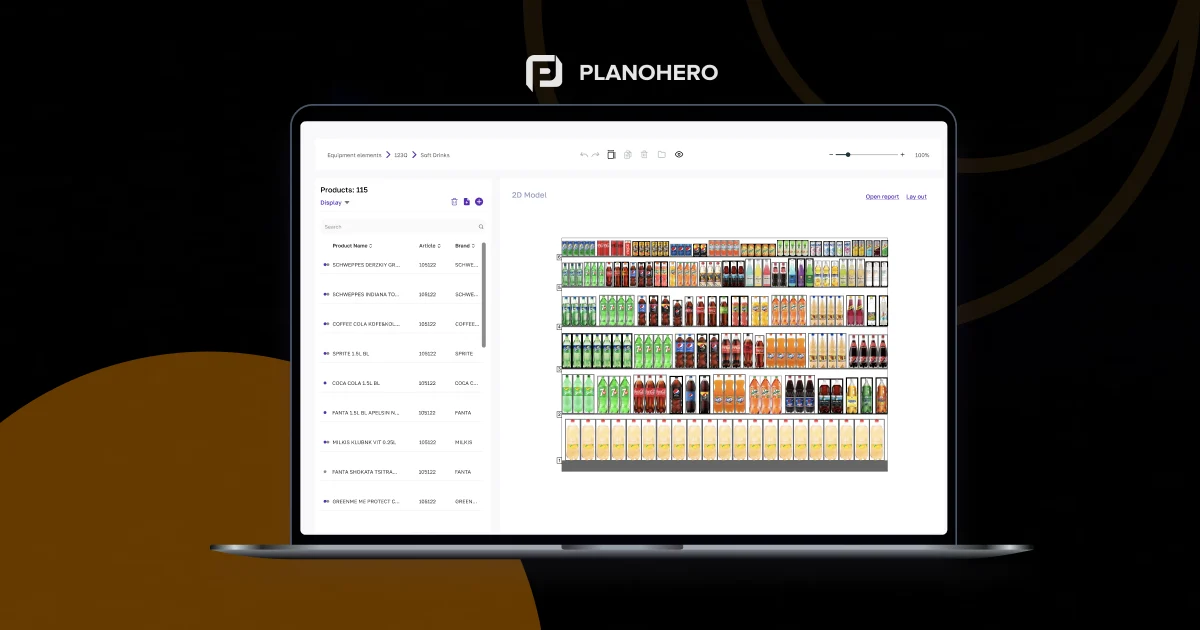
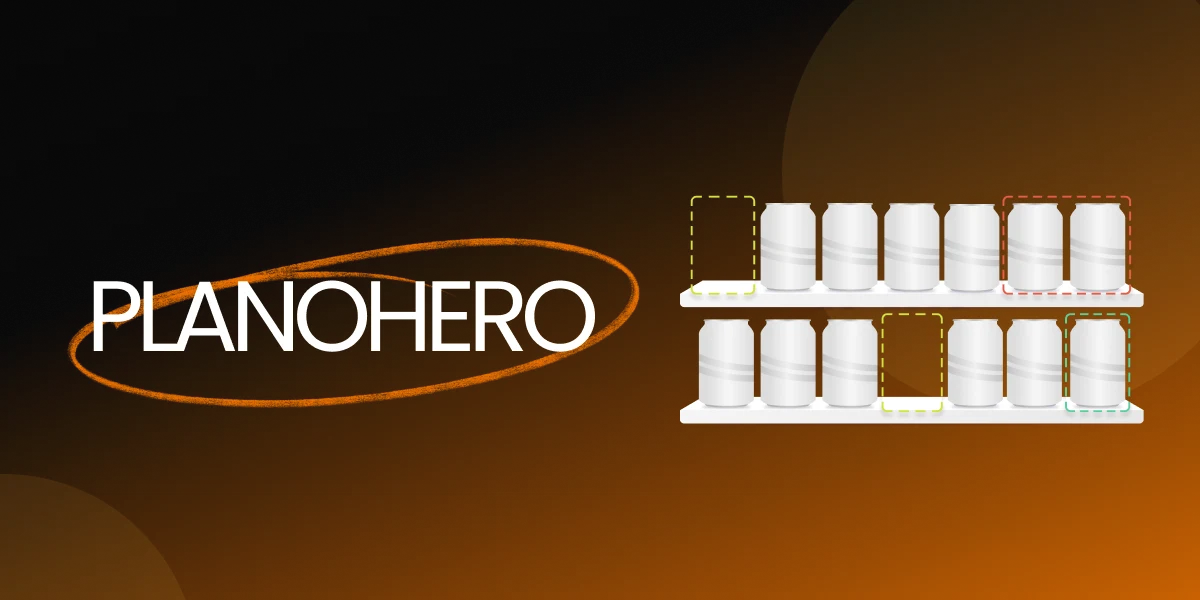
A category manager spends 40 hours building the perfect shelf layout. Every SKU is placed with intention. Facings are optimized. Margin and velocity data are factored in. The file is sent to stores.
Two weeks later, only 23% of locations have implemented it correctly.
Sound familiar?
This is the uncomfortable truth behind store planograms: the issue is rarely in the design. It’s in the execution. Headquarters creates detailed layouts based on data-driven assortment planning, but at store level, reality interferes — staffing shortages, unclear instructions, outdated versions, local substitutions, and operational chaos.
The result? Lost sales, stockouts, overstocked slow movers, inconsistent brand presentation, and frustrated teams on both sides.
Retail leaders often assume the problem is discipline. In reality, it’s infrastructure.
The disconnect between HQ planning and store execution isn’t a people problem. It’s a workflow problem. And modern retailers are solving it by redesigning how merchandising works — from planning to compliance to optimization.
The Problem: Why Traditional Merchandising Workflows Break Down
1. Siloed Tools and Fragmented Communication
In many retail organizations, merchandising still relies on:
- Excel spreadsheets for product matrices
- PDF planogram exports
- Email chains for approvals
- Messaging apps for store clarifications
- Shared drives for file storage
This fragmentation creates version control chaos. Stores often work from outdated layouts. Regional managers manually consolidate feedback. Headquarters chases confirmations.
Without centralized planogram software, every update becomes a distribution problem instead of a strategic decision.
2. No Real-Time Shelf Visibility
HQ rarely knows what’s actually on the shelf.
Compliance is typically measured through:
- Periodic store visits
- Manual photo audits
- Spreadsheet checklists
- Delayed reporting
By the time discrepancies are identified, the promotion has ended or the season has changed.
An operations manager from a multi-store grocery chain once put it bluntly:
“We plan at the speed of data, but we execute at the speed of email.”
That time lag destroys agility. Retail today demands rapid assortment changes, dynamic pricing adjustments, and promotional resets. Static workflows cannot support that pace.
3. Manual Compliance Tracking
Planogram compliance often becomes a policing exercise. Store managers feel monitored rather than supported. Regional supervisors spend hours comparing shelf photos against PDFs.
This model leads to:
- Low accountability
- Inconsistent execution standards
- High labor costs
- Friction between HQ and field teams
Without integrated retail execution software, compliance becomes subjective and slow.
4. Slow Feedback Loops
Feedback from stores travels upward slowly. Adjustments travel downward even slower.
In traditional systems:
- Store flags an issue
- Regional manager consolidates reports
- HQ analyzes after weeks
- New layout created
- Rollout delayed
By then, consumer demand has shifted.
Retail merchandising is dynamic. But legacy workflows are static.
The Solution: Modern Merchandising Orchestration
Forward-thinking retailers are not just upgrading tools. They are redesigning their operating model through merchandising orchestration.
Instead of disconnected tasks, merchandising becomes a connected system — planning, execution, compliance, and optimization working in sync.
a) Cloud Merchandising Collaboration
At the core is cloud merchandising collaboration.
What it means:
HQ, regional managers, and stores work inside the same digital environment. Planogram updates happen in real time. No PDFs. No version confusion. No email attachments.
With modern cloud merchandising platforms:
- Updates are instantly visible across locations
- Roles and permissions are structured
- Stores can provide feedback directly inside the system
- Audit trails ensure accountability
The result is alignment. Everyone works from the same data.
This is where a robust retail merchandising platform changes the equation. Instead of distributing instructions, it becomes the single source of truth.
b) AI-Powered Layout Rules and Merchandising Automation
Creating effective layouts manually is slow and prone to inconsistencies.
Modern retailers leverage merchandising automation powered by intelligent layout rules:
- Automatic SKU placement based on performance
- Facing recommendations aligned with sales velocity
- Space optimization by store cluster
- Seasonal and promotional overlays
AI-driven planogram software reduces design time from days to hours — while improving consistency.
Instead of reinventing layouts for each store, category managers define rules. The system adapts them intelligently across store formats.
This drives:
- Faster rollouts
- Data-driven decision-making
- Standardization without rigidity
c) End-to-End Merchandising Orchestration
The real transformation happens when planning connects directly to execution and compliance.
With integrated workflows:
- Planogram created
- Stores receive mobile-friendly execution tasks
- Photo verification uploaded
- Automated compliance scoring calculated
- Data feeds back into next optimization cycle
This is true planogram compliance management — not just checking, but improving continuously.
End-to-end orchestration delivers:
- Full visibility across locations
- Measurable accountability
- Reduced communication overhead
- Continuous improvement loops
PlanoHero — positioning themselves not just as tools, but as infrastructure for modern retail merchandising.
How It Works in Practice
Let’s walk through a real-world scenario.
New Product Launch Across 120 Stores
A beverage brand introduces a seasonal SKU.
Step 1: Planogram Creation
The category manager uses AI-supported planogram software to integrate the new SKU. The system suggests optimal placement based on historical velocity and category adjacency.
Cluster rules automatically adjust the layout for:
- Urban compact stores
- Standard supermarkets
- High-traffic flagship locations
Step 2: Review and Approval
Regional managers log into the shared retail merchandising platform. They review layouts in real time, suggest minor local adjustments, and approve within hours — not weeks.
Step 3: Store Execution
Stores receive mobile-friendly tasks via retail execution software:
- Clear visual instructions
- SKU-level guidance
- Deadline tracking
No PDFs. No confusion.
Step 4: Compliance Verification
Store managers upload shelf photos. The HQ evaluates placement against expected layout rules and checks the planogram compliance.
Step 5: Data Feedback Loop
Sales and shelf performance data in analytical reports. Wizora's AI assistant provides quick analysis across the entire network, offering insights and recommendations to optimize shelf layout.
What previously took three weeks now takes three days.
More importantly, execution accuracy improves dramatically.
The Results: What This Looks Like
- Planogram compliance rates: 23% → 89%
- Time to rollout new layouts: 3 weeks → 3 days
- Communication overhead: 40+ emails per launch → 0
- Field audit hours reduced: by 60–70%
- Out-of-stock incidents: significantly decreased
But the biggest impact isn’t operational. Merchandising stops being reactive. It becomes predictive and iterative. HQ gains real-time shelf visibility. Stores gain clarity and support. Regional managers gain structured oversight without micromanagement. Retail moves faster — without losing control.
Getting Started: Is Your Team Ready for Merchandising Orchestration?
Ask yourself:
- Are your planograms still distributed as static files?
- Do you rely on manual photo audits?
- Does HQ lack real-time visibility into shelf execution?
- Do layout updates take weeks to implement?
- Are compliance rates inconsistent across regions?
If you answered “yes” to more than two, your merchandising infrastructure may be limiting your growth.
Modern retail demands alignment between strategy and execution. That alignment doesn’t happen through more emails or stricter audits.
It happens through integrated systems, structured workflows, and data-driven collaboration.
Merchandising orchestration isn’t about adding another tool. It’s about replacing fragmented processes with connected intelligence.
The retailers who solve the execution gap don’t just improve compliance. They improve profitability, agility, and in-store experience.
And in today’s competitive environment, that difference compounds fast.
FAQ
Why is planogram compliance important in food retail merchandising?
Planogram compliance directly impacts sales performance, inventory accuracy, and brand consistency. Even a well-designed shelf layout will fail if stores execute it inconsistently.
Which planogram software is more user-friendly for beginners?
For beginners, tools like GoPlanogram are often considered easy to use thanks to drag-and-drop functionality and simple 2D/3D shelf visualization. However, modern cloud-based platforms such as PlanoHero combine beginner-friendly interfaces with built-in merchandising automation and compliance tracking — making them suitable for growing retailers who want simplicity without sacrificing scalability.
Do small retailers really need planogram software?
Even independent food retailers benefit from using planogram software. Digital shelf planning helps optimize limited space, improve category flow, reduce out-of-stocks, and test display ideas before implementing them physically.
Looking for a service to create planograms?
Try a free demo version of PlanoHero