
Retail performance is no longer measured by sales alone. In today’s competitive retail environment, sustainable growth depends on how effectively retailers track KPIs for Retail Stores, optimize operations, and align merchandising strategies with real customer behavior. Retailers that consistently outperform competitors increase key sales indicators, operate with a loyal customer base, and leverage advanced automation and analytics processes. To improve store performance, retailers must combine data-driven decision-making, customer-centric merchandising, and operational efficiency.
5 Crucial Steps to Improve Store Performance
Step 1: Strategy – How to Increase Sales
Marketing and merchandising are essential for driving sales. Retailers should regularly introduce new, engaging products, giving customers opportunities to explore and try items where possible. Impulse buying remains a strong driver. Effective product layout, cross-selling, and well-placed complementary items capture attention and encourage additional purchases. Seasonal campaigns, weekly offers, and special pricing for popular products increase engagement and sales.
Tip: Start small when testing new ideas. Collect data, analyze results, and scale only what proves effective.
Step 2: Automation and Technologies in Retail
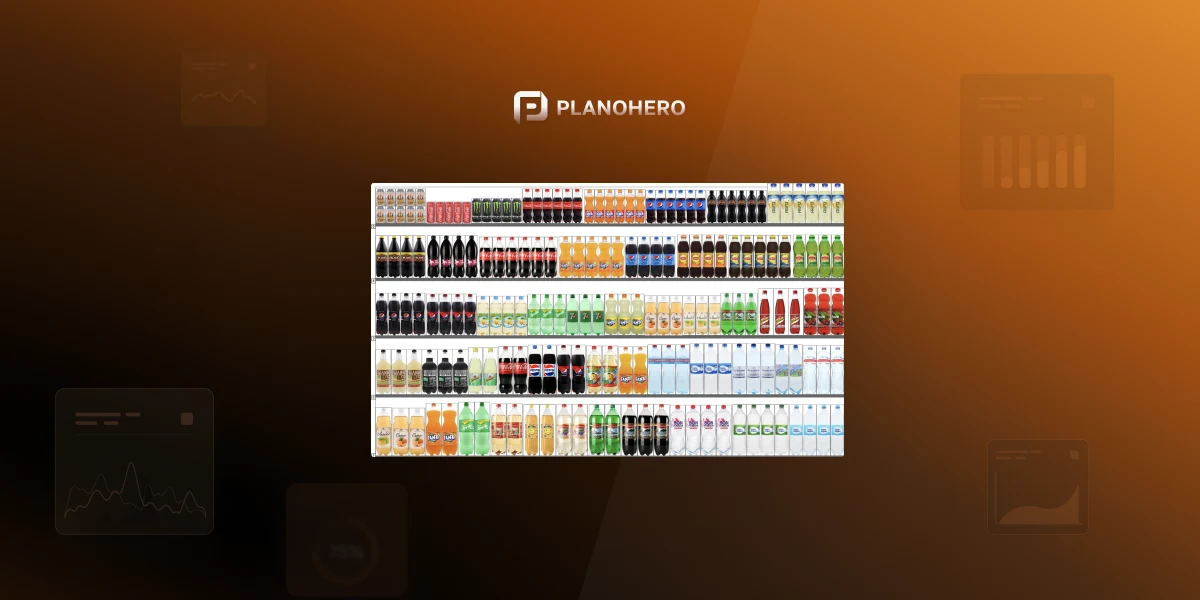
Automation simplifies operations, improves efficiency, and reduces manual effort. Modern retail technologies optimize processes, enhance communication across departments, and enable consistent implementation of merchandising strategies. Automated systems support assortment management, pricing, orders, loyalty programs, planogramming, and supply chain processes, while analytics platforms track performance and provide actionable insights. Planogramming automation saves time, reduces errors, ensures compliance with merchandising rules, and improves product visibility.
Data analytics is equally essential. Analytical platforms process large datasets quickly, track sales dynamics, assess assortment performance, evaluate marketing campaigns, monitor supplier reliability, and measure loyalty program effectiveness. These insights allow managers to set realistic benchmarks, monitor results, and identify opportunities for improvement.
The Datawiz BES analytical platform quickly processes large volumes of store data and quickly generates analytical reports. So, for example, A several-year report on the entire chain assortment is generated in 3 seconds.
Step 3: Customer Loyalty
Satisfied customers drive repeat sales and long-term success. Loyal customers contribute significantly to revenue and are more likely to continue purchasing even during economic downturns. Loyalty programs, including rewards for repeated purchases or mobile apps offering cashback and personalized discounts, increase engagement and transaction value. These initiatives only succeed when product quality, service, and pricing meet customer expectations. Happy customers also recommend the store to friends and family, strengthening the brand’s reputation and expanding the loyal customer base.
Step 4: Trained and Motivated Staff
Store employees directly influence customer perception. Well-trained staff understand customer needs, assist in product selection, and contribute to higher conversion rates. Retailers benefit from staff feedback, which informs merchandising, service improvements, and operational adjustments. Continuous training, clear expectations, and fair incentives are critical to maintaining high performance and a positive customer experience.
Step 5: Analyze and Track Key Store Indicators
Monitoring sales data alongside customer feedback provides a complete view of store health. Retailers must track which products sell, which remain unsold, and how overall strategies perform. Consistent monitoring allows early identification of issues, maintains stock availability, improves service, and ensures merchandising and marketing strategies are effective.
How to Measure Retail Performance
1. Customer Traffic and Demand Flow
Tracking the number of visitors gives a clear view of potential revenue. High foot traffic often correlates with sales, while analyzing trends over time helps optimize staffing, promotions, and store layout.
2. Customer Retention and Loyalty
Customer retention measures how many shoppers return over time. Loyal customers drive repeat revenue and often spend more per transaction. Tracking loyalty program participation highlights long-term customer value and informs targeted marketing strategies.
3. Conversion Rate
Conversion rate measures the proportion of visitors who make a purchase, showing how effectively merchandising, pricing, and service convert interest into sales. Monitoring this helps identify bottlenecks, refine product placement, and adjust promotions.
4. Average Transaction Value
This metric indicates how much revenue each customer contributes per purchase. Upselling, cross-selling, and product bundling can increase this value. Monitoring trends shows whether pricing, promotions, and product mix align with customer expectations.
5. Marketing Effectiveness
Analyzing the return on marketing campaigns, including email, social media, and in-store promotions, helps optimize spend. Effective marketing drives traffic, boosts conversion, and contributes directly to improved Retail Store KPIs.
6. Items per Purchase
The number of items per transaction reflects basket size and customer engagement. High numbers suggest effective merchandising and promotions, while low numbers may indicate a need to adjust product placement or incentives.
7. Gross Margin
Gross margin measures profitability before operational costs. It is calculated by subtracting the cost of goods sold from revenue. Monitoring gross margin ensures pricing strategies are sustainable and helps set realistic benchmarks for products or stores.
8. Operational Efficiency
Efficiency metrics, including staff productivity, inventory turnover, and shrinkage, ensure resources are used effectively. Improving operational efficiency supports higher retail metrics without increasing costs.
By monitoring these indicators, setting realistic goals, and adjusting strategies, retailers make data-driven decisions that improve performance, optimize resources, and increase overall profitability. Retailers who systematically track retail performance metrics and act on insights can outperform competitors, satisfy customers, and achieve measurable growth.
Leveraging technology, defining realistic benchmarks, and tracking Retail Store KPIs allows businesses to predict demand, optimize operations, and make informed decisions that drive measurable results. High-performing stores are proactive, customer-centric, and strategically data-driven rather than reactive to daily operations.
Looking for a service to create planograms?
Try a free demo version of PlanoHero