What is a Beauty and Personal Care Retail Chain?
Beauty and personal care retail chains are self-service stores or chains located in convenient urban areas or shopping centers, specializing in non-food everyday goods such as beauty products, cosmetics, personal care items, and home care solutions. These stores combine high product variety with efficient shelf layouts to maximize sales per unit of retail space.
Health & beauty stores often feature functional interiors with clear signage, simple shelving, and effective product placement, allowing customers to easily navigate and discover products. Most items do not require refrigeration, simplifying store operations and stock management.
Location and customer traffic are critical factors for success. The primary audience typically includes women, but men’s personal care products are increasingly in demand. Retailers must strategically design cosmetics displays to appeal to all segments and enhance the shopping experience.
Beauty Visual Merchandising of Cosmetics Stores
For beauty/cosmetics stores, it is essential how customers visually perceive the products and their layout. Beauty visual merchandising plays a crucial role in influencing purchase decisions. The correct layout of goods attracts attention and evokes positive emotions.
The right way to present products on the shelves affects sales, especially if the product or brand has recently appeared on the market. An effective beauty merchandising strategy for beauty stores will help retailers convey the right information about the product and the store to customers. It helps to differentiate from competitors.
Brands strive to stand out by grabbing attention and building loyalty and, ultimately, increasing sales. Products in beauty stores are often quite small and have unusual packaging. This makes it difficult to create an effective display. It seems that a wide assortment is good, but in fact, a large selection can overwhelm customers. The customer gets tired of making decisions and may refuse to buy. Especially those customers who are always in a hurry and want to quickly navigate the products.
That's why brands think about functional product layout to optimally present their offer, with a clear design that allows customers to recognize the brand immediately.
Who are your customers? Who are you targeting?
Here you need to know your target audience. Information about demographics, buying habits of your regular customers, what they buy and when they buy it will help you create an effective shelf layout. When working with shelf layout, you should create planograms - visual diagrams of the placement of goods in the store.
The Benefits of Using a Planogram For Beauty Merchandising
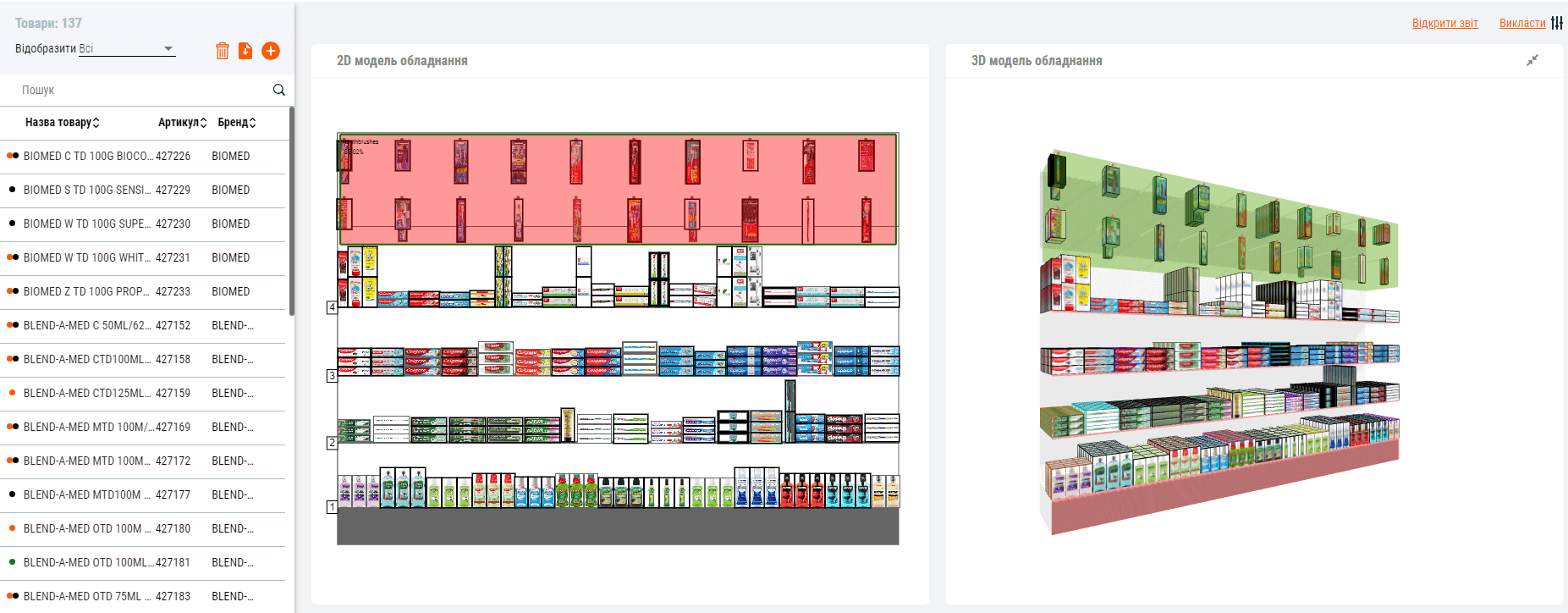
By creating planograms in the PlanoHero planogram software, you can customize the placement of products in full detail, taking into account customer preferences, demand, and agreements with suppliers.
Beauty stores usually have numerous products, and it is difficult to control their availability. Moreover, the absence of a certain product can lead to the loss of customers.
What to do?
Organize your work with planograms.
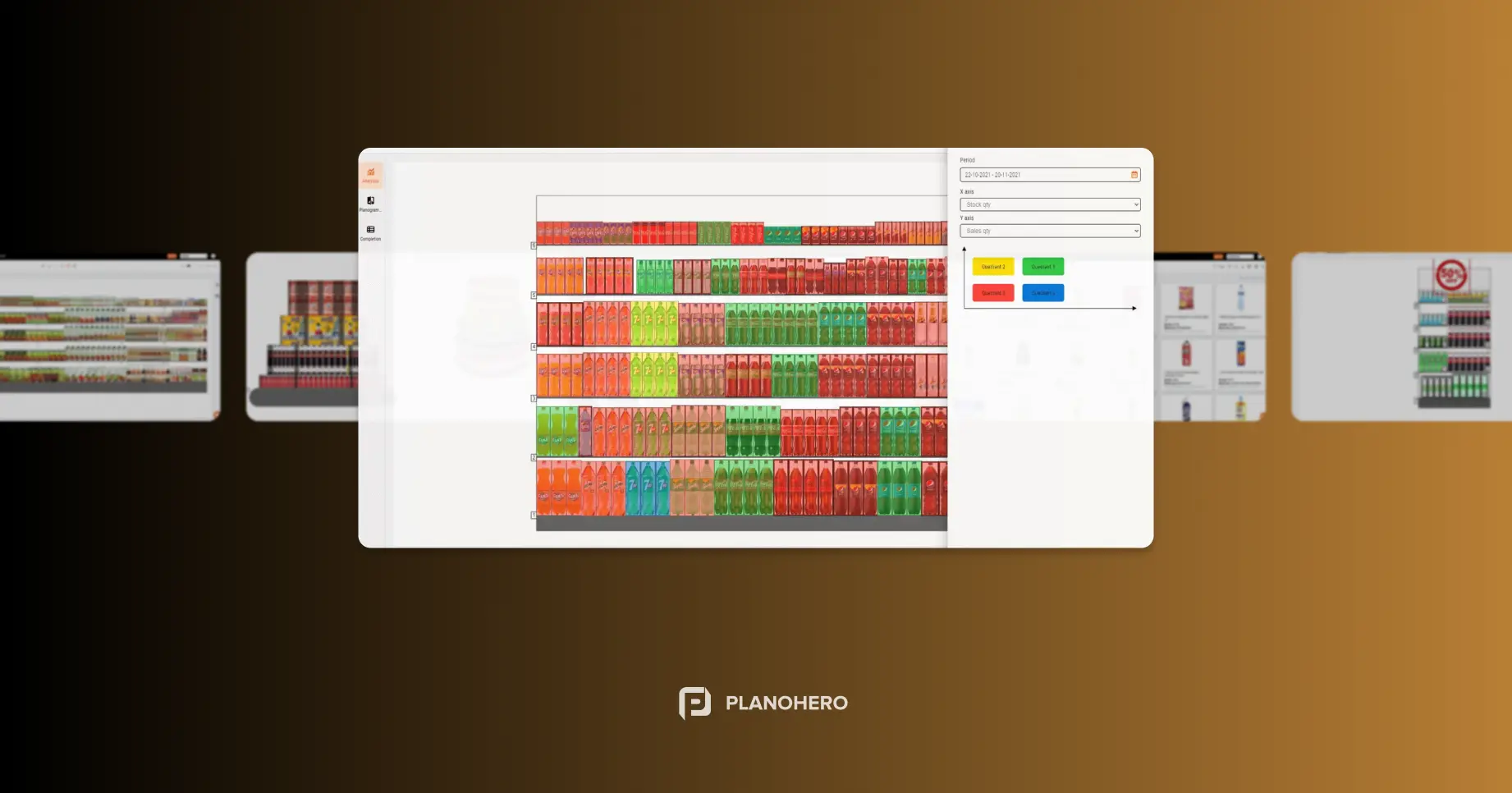
A well-designed cosmetics planogram includes information about the parameters of products, fixtures, the layout itself, and detailed information about sales and product inventory. Therefore, the use of product planogram helps to prevent shortages of goods, simplify the process of replenishing stocks, expand the retail potential of the shelf space, and ultimately increase sales.
Don't forget that store planograms are created with all the principles of beauty visual merchandising in mind, and they also convey information to customers about your brand's individuality and its differences from others on the market.
Layout Principles in Beauty Merchandising
The Rule of Three
Place sets of three beauty products to attract the customer's attention for a longer time. This is because the human eye is more likely to linger when looking at something asymmetrical. For example, customers will pay more attention to products arranged in height from the lowest to the highest item.
Group Complementary Beauty Products for Impulse Purchases
Place complementary products together. This way, you increase the chance of impulse purchases. For example, by placing mascara with makeup cleanser, or day and night cream.
Micromerchandising
Draw attention to certain products in the middle of a long aisle with micromerchandising. To do this, use a different type of shelf or equipment than the rest of the aisle, or use a different color scheme. Shoppers may be interested in a change of scenery to stop and look at the product.
Placement of Equipment
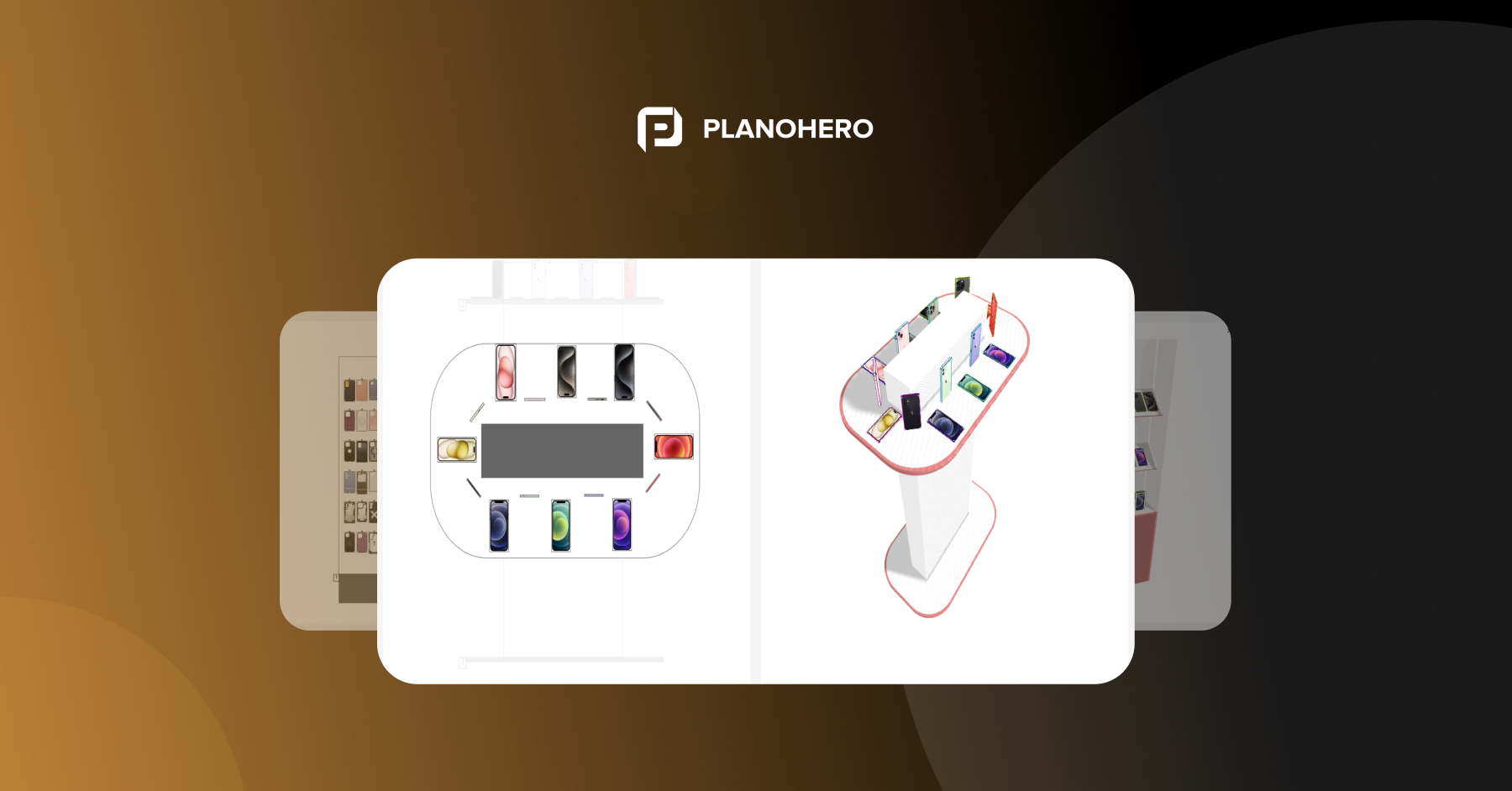
For higher sales, place beauty products on open displays and shelving to demonstrate different brands. Island stands are eye-catching and can be placed in the center of the sales area. Individual beauty display cases of various shapes with a bright design attract the attention of customers.
Customers want to try the cosmetics they are planning to buy, so there should be product samples (testers) in the displays and mirrors nearby.
Suppliers can provide branded containers or signage to complement the displays. Vertical branding on the shelves, i.e., displaying several different beauty products of the same brand, can encourage customers to buy more than one item from the same line.
Emerging Trends in Cosmetics Visual Merchandising
Cosmetics visual merchandising is evolving as retailers adapt to changing consumer habits and lifestyle trends. Innovative display strategies help attract attention, guide purchasing decisions, and enhance brand perception.
Key emerging trends include:
- Gen Alpha Focus: Target younger shoppers influenced by online content, social media, and affordable, trend-driven products. Adjust displays to appeal to their preferences and browsing habits.
- Wellness & Self-Care Displays: Highlight products that promote relaxation, sleep, and overall well-being, creating engaging thematic corners in-store.
- High/Low Product Mix: Combine premium and budget-friendly options in visually cohesive displays to cater to diverse customer budgets and encourage cross-purchases.
- Aromatherapy & Sensory Merchandising: Use scents, textures, and lighting to enhance the in-store experience and encourage longer browsing time.
- Natural & Sustainable Products: Feature organic, clean, and eco-friendly products prominently, responding to the growing consumer demand for sustainable beauty.
- Competitive & Global Trend Analysis: Monitor competitors and global beauty trends to adjust product assortments and in-store layouts accordingly, keeping the merchandising strategy current and competitive.
Common Challenges in Cosmetics Merchandising
Cosmetics merchandising presents several operational challenges that can affect store performance and customer satisfaction. Understanding these challenges allows retailers to implement effective solutions and maintain consistent merchandising standards.
Stock Shortages
Out-of-stock products reduce customer loyalty and lead to lost sales. Retailers can solve this problem by using demand forecasting tools and maintaining accurate inventory records.
Inconsistent Shelf Layout
When store layouts vary between locations, customers may struggle to find products quickly. Standardized planograms help maintain consistency and simplify store navigation.
Overstock and Slow-Moving Products
Excess inventory occupies valuable shelf space and increases storage costs. Retailers can reduce overstock by analyzing sales data and adjusting product assortment regularly.
Merchandising Software for Beauty Stores
Planning the beauty merchandising takes a lot of time and effort if you do it manually and do not use special tools. The retail planogram helps to unify the layout in all stores and simplifies the work of the merchandising department and store managers.
Using the PlanoHero merchandising and planogram software helps merchandisers organize their work properly and automate the process of planogramming across the entire retail chain.
Another advantage of planogramming in the PlanoHero software is the ability to control the execution of the planograms in stores. To do this, store managers use the PlanoHero Layout mobile application. With the help of this app, managers receive new planograms that need to be executed. After the manager places the goods on the shelves according to the store planogram, he sends a photo report of the completed layout via the app. With the help of photo reports, the central office checks the correctness of the shelf layout and, in case of errors, sends the planograms back to the store for execution.
Simplify the work of store managers and merchandisers. Customize the planogramming process with PlanoHero merchandising software and increase sales in your retail chain.
FAQ — Beauty Merchandising
What is Cosmetic Merchandising?
Cosmetic Merchandising is the process of planning, organizing, and presenting beauty products in a retail environment to maximize sales, improve product visibility, and enhance the customer shopping experience. It combines visual presentation, inventory management, and operational execution.
Why are planograms important in beauty retail?
Planograms help retailers standardize shelf layout, ensure consistent product placement, and maintain product availability across all store locations. They also improve operational efficiency and simplify store management.
What is retail merchandising in the cosmetic Industry?
Retail merchandising in the cosmetic Industry involves managing product assortment, shelf layout, inventory levels, and store presentation to ensure that customers can easily find and purchase products. It focuses on improving store performance, customer satisfaction, and sales results.
What is the difference between visual merchandising and inventory management?
Visual merchandising focuses on product presentation and customer experience, while inventory management ensures that the right products are available in the correct quantities. Both functions work together to maintain efficient retail operations and maximize sales.
How do cosmetic planograms improve store performance?
Cosmetic planograms improve store performance by organizing shelf space efficiently, preventing stock shortages, and ensuring consistent product visibility. They also help retailers monitor merchandising compliance and maintain brand standards across multiple stores.
Looking for a service to create planograms?
Try a free demo version of PlanoHero